
Starting a construction project is exciting, whether you’re planning a home addition, remodeling a kitchen, or building a new structure on your property. But before construction begins, there’s an important step many homeowners overlook: obtaining the correct construction permits. At K&L Construction Solutions, we regularly guide homeowners through the permitting process so projects move forward smoothly and avoid costly delays.
Permits exist to ensure that building projects meet safety codes, zoning regulations, and local standards. Without them, homeowners risk fines, project shutdowns, and complications when selling their property later. Understanding which permits you may need before starting construction can save time, protect your investment, and keep your project on track.
Permits aren’t just paperwork. They exist to ensure construction projects follow building codes designed to protect homeowners and the surrounding community. These codes regulate structural integrity, electrical safety, plumbing systems, fire protection, and more.
When a permit is issued, local inspectors verify that work meets these standards at key stages of construction. This oversight helps ensure that the final result is safe, durable, and compliant with local regulations.
In many cities across Texas, failing to obtain permits can lead to fines or the requirement to remove completed work. Even if the project looks perfect, unpermitted construction can cause problems when refinancing or selling your home.
The most common permit required for construction projects is a building permit. This permit covers structural changes such as additions, new walls, foundation work, or major renovations.
Projects that typically require building permits include:
Building permits ensure that structural components such as framing, load-bearing walls, and foundations meet engineering standards. When homeowners plan projects like room expansions or layout changes, working with professionals experienced in home remodeling services can help ensure that all structural requirements are addressed before work begins.
Electrical work almost always requires a separate permit. This applies to projects that add circuits, relocate outlets, or install new electrical panels.
Electrical permits are important because improper wiring creates serious fire risks. Inspections verify that wiring, grounding, and breaker installations meet safety codes.
Projects that often require electrical permits include:
Even relatively small electrical upgrades should be reviewed to determine whether a permit is required.
If your project involves plumbing changes, a plumbing permit will likely be required. Plumbing permits apply when water supply lines, drainage systems, or gas lines are installed or modified.
Bathrooms, kitchens, and laundry rooms often trigger plumbing permit requirements. For example, moving a sink or installing a new shower typically requires inspection to ensure proper drainage and water pressure.
Homeowners planning kitchen upgrades that involve plumbing adjustments often address permitting during the design stage. Planning ahead while reviewing kitchen remodeling options can help prevent delays later in the process.
Heating, ventilation, and air conditioning systems also fall under local permit requirements. Mechanical permits ensure that HVAC installations meet efficiency and safety standards.
Projects that may require mechanical permits include installing new air conditioning units, modifying ductwork, or relocating ventilation systems. These permits also help verify that airflow and ventilation meet code requirements.
Proper ventilation plays an important role in indoor comfort and moisture control. For example, upgrades such as attic ventilation improvements can help regulate temperature and protect roofing materials while supporting overall home performance.
In addition to construction permits, some projects must comply with zoning rules. Zoning regulations determine how property can be used and where structures may be built on a lot.
For example, home additions must typically respect setback requirements that limit how close structures can be to property lines. Accessory buildings such as guest houses or detached garages may also require zoning approval.
These regulations vary by city, so reviewing local guidelines before starting a project is essential. The U.S. Department of Housing and Urban Development notes that zoning and building codes work together to promote safe and organized community development.
Not every home improvement project requires permits. Cosmetic updates that don’t affect structure, plumbing, or electrical systems are often exempt.
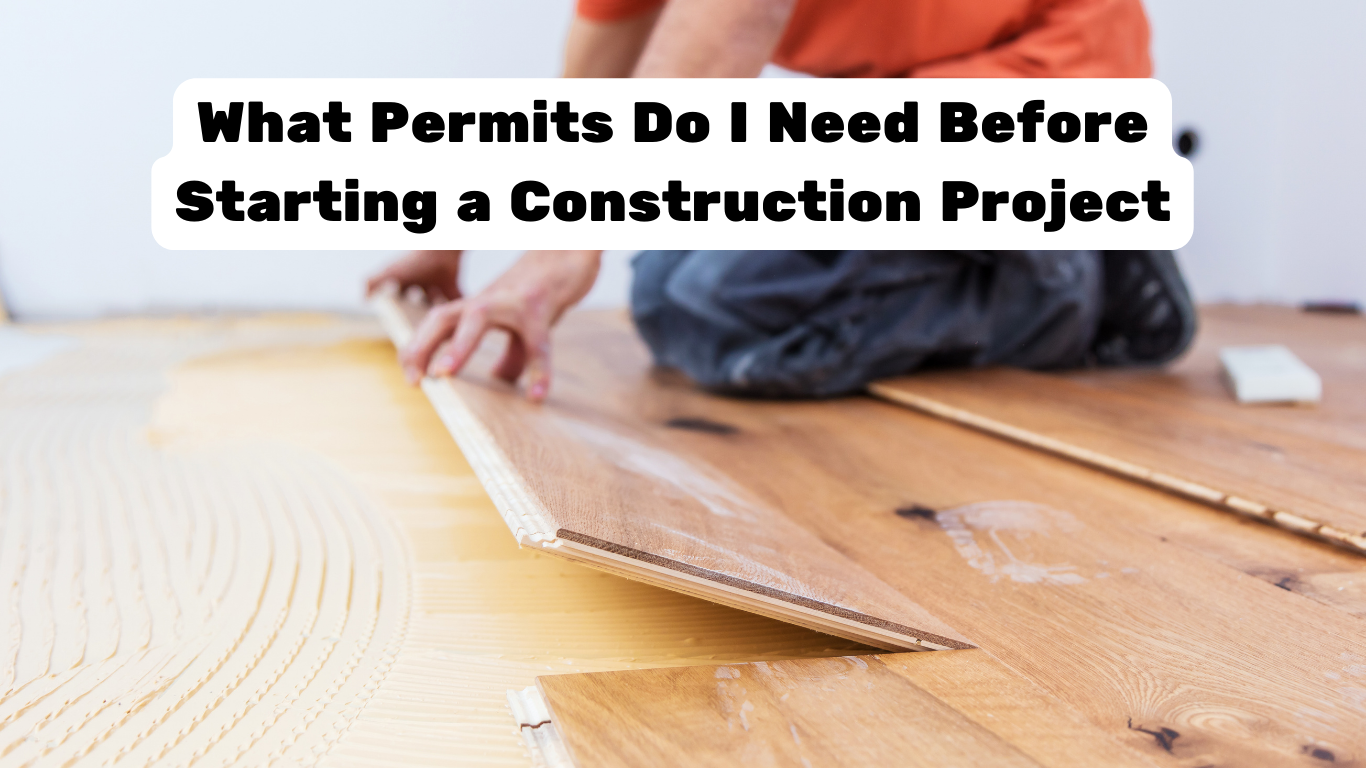
Examples of projects that may not require permits include painting, replacing flooring, installing cabinets, or upgrading countertops. However, even small projects can trigger permit requirements if they involve structural or mechanical changes.
Because regulations differ between municipalities, homeowners should always verify local requirements before assuming permits are unnecessary.
Navigating the permitting process can feel overwhelming, especially for homeowners managing construction projects for the first time. Professional contractors typically handle permit applications, inspections, and documentation on behalf of the homeowner.
This process involves submitting construction plans, coordinating with local building departments, and scheduling inspections during various stages of construction. Working with experienced professionals helps ensure that paperwork is completed correctly and that projects stay compliant with local regulations.
Homeowners who want guidance on permits or planning their project can reach out through the contact page to discuss their plans with a knowledgeable team.
Permits are an essential step in protecting both your home and your investment. By ensuring that work meets building codes and safety standards, permits provide peace of mind that construction is being completed correctly.
Understanding the types of permits required—whether building, electrical, plumbing, or mechanical—helps homeowners avoid unexpected delays and ensures that projects move forward efficiently.
With careful planning and professional guidance, the permitting process becomes a manageable part of creating a home improvement project that is safe, compliant, and built to last.


Copyright © 2026 K&L Construction Solutions
