
Below is an 800-word article with a different structural rhythm and varied link placement so it does not resemble previous posts. The flow is decision-focused, moving from planning considerations to cost factors instead of repeating the same format. Internal links are embedded naturally in different sections, and the outbound reference is contextual.
Expanding your home can be one of the most exciting upgrades you make—but it also raises one of the biggest questions homeowners face: how much does a home addition cost to build? In 2026, the answer depends on several factors, including the type of addition, the complexity of construction, and the condition of the existing structure. At K&L Construction Solutions, we help homeowners throughout North Texas plan additions that improve both living space and long-term home value.
Home additions aren’t just about square footage. They’re about solving problems—whether that means creating a larger kitchen, adding a new bedroom, or expanding living areas for a growing family. Understanding what influences cost helps homeowners plan realistically and avoid surprises once construction begins.
Not all additions are built the same, and the type of space you add has the largest influence on cost. A simple room addition that expands an existing living area generally requires less structural work than projects that involve plumbing, electrical upgrades, or major layout changes.
For example, adding a bedroom or living room usually involves framing, insulation, flooring, and finishing work. In contrast, adding a bathroom or expanding a kitchen introduces plumbing, fixtures, ventilation, and cabinetry—elements that increase both labor and material costs.
Some homeowners also consider second-story additions. These projects can dramatically increase living space without expanding the home’s footprint, but they typically involve structural reinforcement and careful design planning.
Square footage is another obvious factor, but it’s not the only one. The complexity of the structure often matters just as much as the size of the addition.
A smaller addition with multiple walls, rooflines, or plumbing connections may cost more than a larger open space that’s easier to construct. Roof design, foundation work, and how the addition connects to the existing house all influence the scope of construction.
Homes built decades ago may also require structural updates before new construction can begin. Reinforcing framing or adjusting foundations ensures the addition integrates safely with the original structure.
Before framing even begins, the groundwork for a home addition must be carefully prepared. Foundation type plays a significant role in both cost and timeline.
Slab foundations are common in Texas and are generally more straightforward to install than raised foundations. However, site preparation—such as leveling, drainage adjustments, or utility relocation—can still affect pricing.
Proper preparation protects the entire addition from long-term issues. Skipping these steps can lead to structural problems or water damage later, which is why experienced contractors emphasize thorough groundwork from the start.
Once the structure is complete, interior finishes begin to shape both the look and the cost of the addition. Flooring, trim, lighting, cabinetry, and paint all influence the final budget.
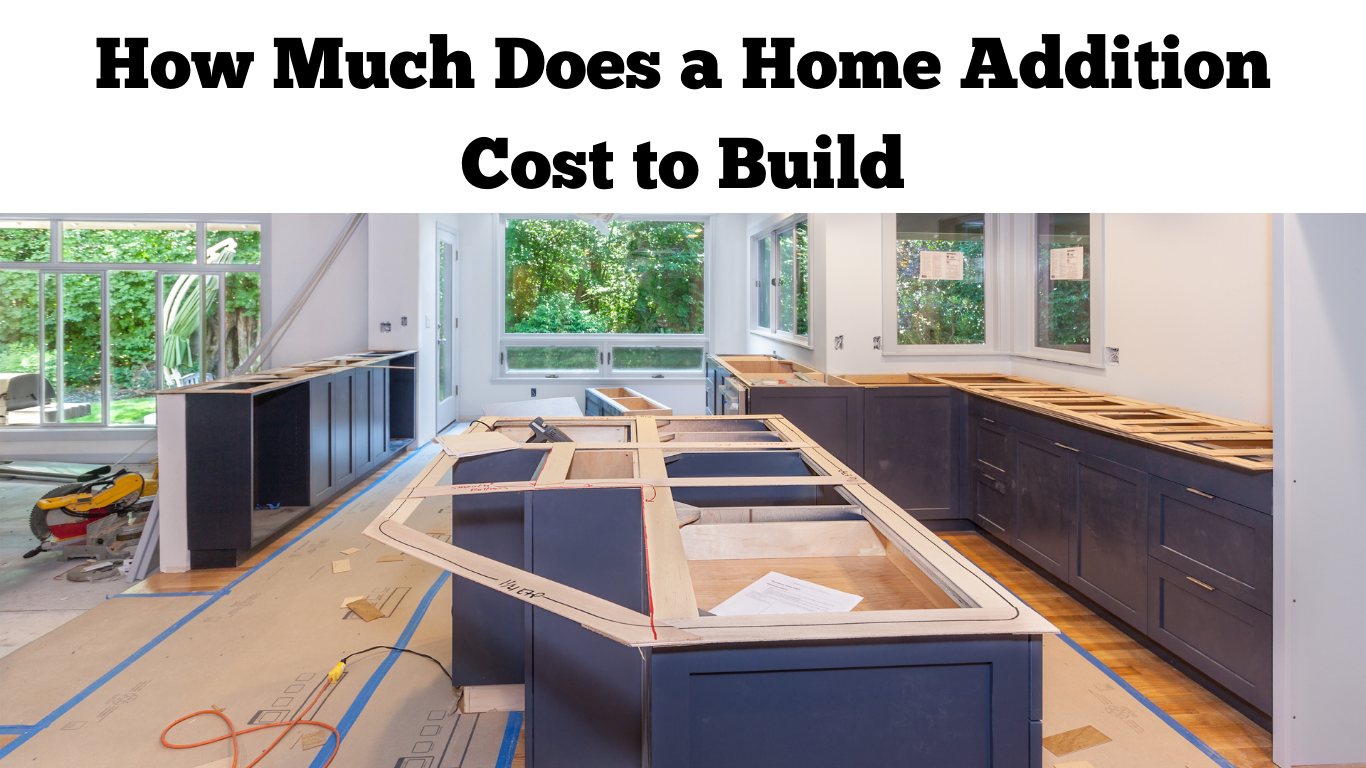
Homeowners often choose finishes that match the rest of the home to maintain a cohesive look. In kitchen expansions, cabinetry and countertops often represent a large portion of the investment. For homeowners planning a kitchen-related addition, exploring kitchen remodeling options can help align the new space with the existing design.
Similarly, additions that include bathrooms or guest suites benefit from thoughtful fixture and tile selection. Planning these details early helps maintain budget control while still achieving a polished result.
Building an addition involves more than construction. Permits, inspections, and local building codes must all be addressed before work begins. These requirements ensure the addition meets safety standards and integrates properly with the existing home.
Professional planning also includes architectural design, structural engineering when needed, and coordination between multiple trades. According to guidance from the National Association of Home Builders, proper planning and permitting help prevent delays and reduce unexpected costs during construction.
While these steps add time to the planning phase, they protect homeowners from issues that could affect resale value or insurance coverage later.
Adding square footage changes how a home manages airflow and temperature. Without proper ventilation and insulation, new spaces can feel warmer in the summer or cooler in winter than the rest of the house.
This is why contractors often evaluate attic airflow and insulation when designing additions. Improving ventilation helps maintain comfort and supports energy efficiency throughout the entire home.
Some homeowners take this opportunity to improve overall airflow by upgrading systems such as attic ventilation. Addressing these elements during construction ensures the new space feels like a natural extension of the home rather than an afterthought.
A home addition involves multiple phases: design, permitting, foundation work, framing, mechanical installation, and interior finishing. Each phase must be completed in sequence, which means careful scheduling is essential.
Weather conditions, material availability, and inspection timelines can all affect project duration. Planning ahead allows homeowners to secure contractors, order materials, and coordinate construction without unnecessary delays.
Working with a contractor experienced in home additions helps streamline the process and ensures each stage moves forward efficiently.
A home addition is often the best solution when homeowners want more space but prefer not to move. Expanding the home allows families to stay in neighborhoods they love while adapting the house to changing needs.
Additions can also increase property value when designed thoughtfully. Extra bedrooms, larger kitchens, or expanded living areas are features many buyers actively look for in the housing market.
Before committing to construction, discussing your goals with a professional team can clarify options and costs. Homeowners can start the conversation through the contact page to explore possibilities tailored to their property.
The cost of a home addition ultimately reflects the scope of the project and the level of customization involved. By understanding what influences pricing—from foundation work to interior finishes—homeowners can approach the process with confidence.
At K&L Construction Solutions, we guide homeowners through each stage of planning so additions are built with durability, comfort, and long-term value in mind. Whether you’re expanding living space or creating a completely new room, careful planning ensures the investment supports your home for years to come.


Copyright © 2026 K&L Construction Solutions
